 |
A.R.A.S.C.L.E.T. : |
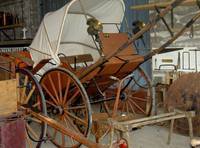
The Association A.R.A.S.C.L.E.T (Association pour la Renaissance des Antiquités, des Savoirs, des Cultures Locales Et des Traditions : Association for the Rebirth of Antiques, Knowledge, Local Cultures And Traditions : in French, arasclet means a tool used to hoe the earth) is meant to collect tools in order to illustrate the entire operative chain of the work of the soil and craft industry in the region, before the mechanization and after the mechanization (from the 18th century to the 20th century). With the passing years the collection has been enriched with about 1200 tools, thanks to the work of voluntary workers who found, located, collected and restored these tools. The collection, mainly illustrates the following subjects :
- Farming practices : hand tools (scythes, flails) and yokes can also be found in the collection.
- Wine producing practices : wine maker plough, décavaillonneur (this is a special plough for cultivation of the land between the vines in the rows), foudres (large casks of 30 to 700 hl), copper sulphate, sulfer dusters, wine-presses, clippers, baskets, buckets, tools, grafting tools…
- Craft and familial works : cooper, wheelwright, clog maker, saddler maker, building trade, plumber, blacksmith, baker, woodman, weaving loom, flax work
- Transport practices : tanks, wheelbarrows, some witnesses to social life : Hearses, “letter trunks”, skittles…
- Witnesses to daily life : kitchenware, furniture, baskets, “herrade” for the transportation of water, fireplace, root cutter, granulator….
For objects concerning some daily life subjects, this association plans to reconstitute workshops or complete activities (bakery, vintner cellar, cooking).
More than 140 persons gave objects which belonged to their family, their parents…and the association members feel now responsible for these objects and their preservation.
A.R.A.S.C.L.E.T. gets on detecting original objects like still, acquired recently. For the team members, who voluntarily devote time to this collection, their participation to animations such as “Automnales du Vic-Bilh”, transhumance, Heritage Days, open houses, give them the opportunity to show the collection and to talk about it.
July, 3rd 1944
There was a tragic event in the town of Portet during the 2nd World War. This chapter in the history has let a burning memory in minds.
This day, 1200 Germans attacked the village occupied by 160 resistants . 15 resistants and 5 civilian victims fell in the field of honour. Houses were looted, 20 houses were burnt down of which, one with its owners. The 43 prisoners transported towards Pau were killed at the edge of the Pont-Long.
The survivors of Portet scrubland distinguished themselves during many feasts of arms, from Béarn to the Pointe of Grave in Médoc.
Every year, Portet pays tribute to these martyrs, during a ceremony tinged with emotion.